Marcel Breuer Photo Project
Photographs of Marcel Breuer’s works by Ágnes Mezősi
A long-term photographic project (since 2019) exploring the modernist legacy of Marcel Breuer through light, detail and perception.
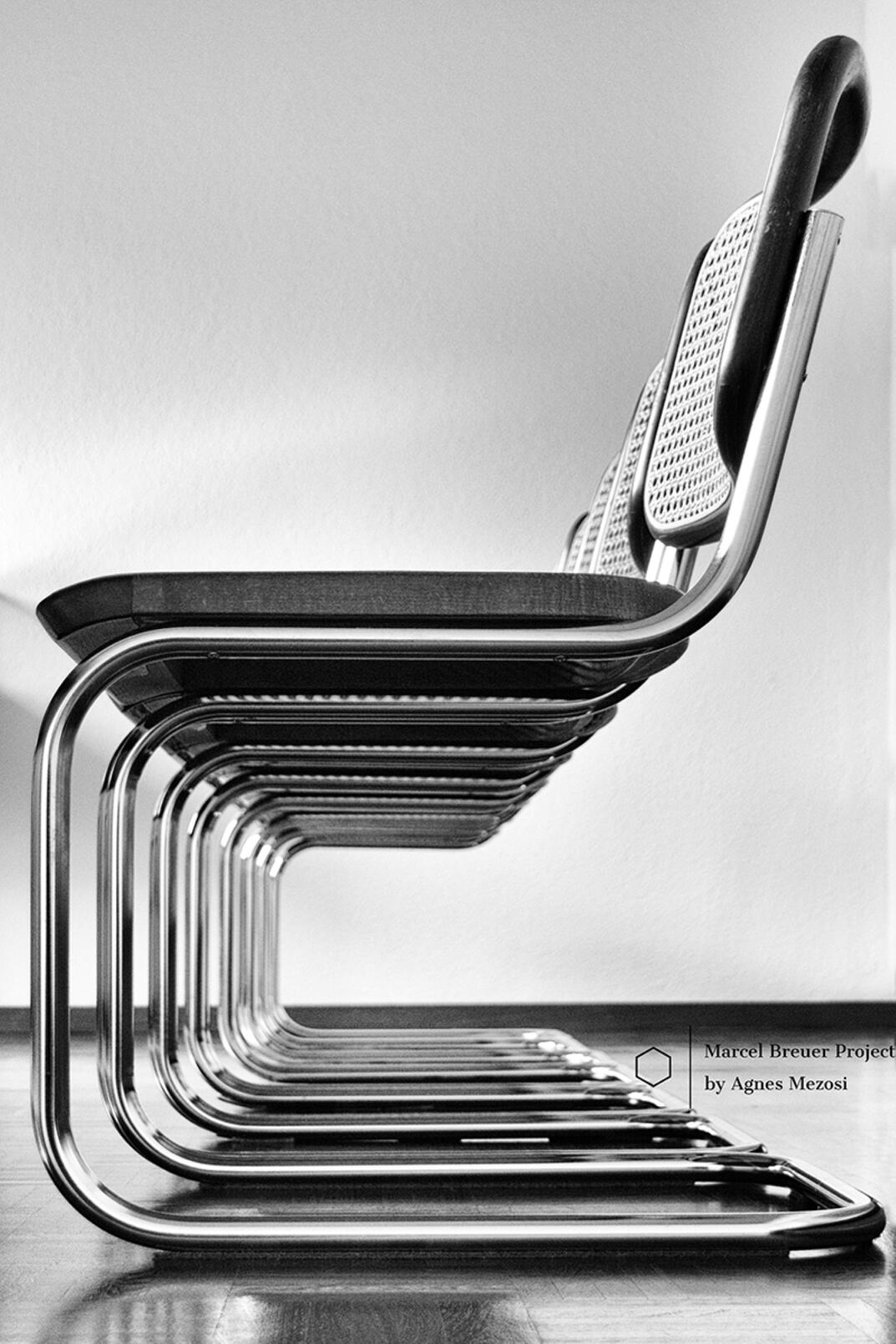
Marcel Breuer
1902, Pécs - 1981, New York
A Hungarian-born architect and designer, Marcel Breuer was one of the most influential figures of 20th-century modernism. His career began at the Bauhaus in Weimar, where he rose from a carpentry apprentice to become one of the school’s youngest masters. It was here that he created his revolutionary tubular steel furniture, forever changing modern interior design by replacing heavy upholstery with ethereal lightness.His architectural vision was rooted in functionality and an honest respect for materials. In his later American period, he became a pioneer of Brutalism, exploring the sculptural possibilities of raw concrete (béton brut). His monumental works from the Whitney Museum in New York to the Flaine ski resort in France are dramatic encounters between mass and light.
The Project
This project didn’t start as a mission, but as an act of curiosity.
I simply found joy in the journey to these sites, experiencing the spaces through my own eyes. For me, photography was never about documentation it was about the encounter.
A meeting between a way of thinking, the legacy of Marcel Breuer' work, and my own perspective.
This project is more than documentation; it is the result of a personal rebirth. I only began photography after a transformative recovery from illness, which opened my eyes to the world's hidden rhythms. While this series captures Breuer’s legacy, my vision is rooted in a deeper exploration of pure form.
While this series captures Breuer’s architectural monoliths, my vision is rooted in a much earlier, personal exploration of pure geometry and form. This is where it all began.
The Breuer book is in progress. Want to follow its journey?
Supports:



Project developed with the support of these institutions.
↓ Click a location to enter the gallery ↓

Whitney Museum

IBM Research Center

Baldegg Kloster

Mundipharma Headquarters

Armstrong Ruber Building

De Bijenkorf

Former U.S. Embassy

UNESCO

Van Leer Office Building

Flaine
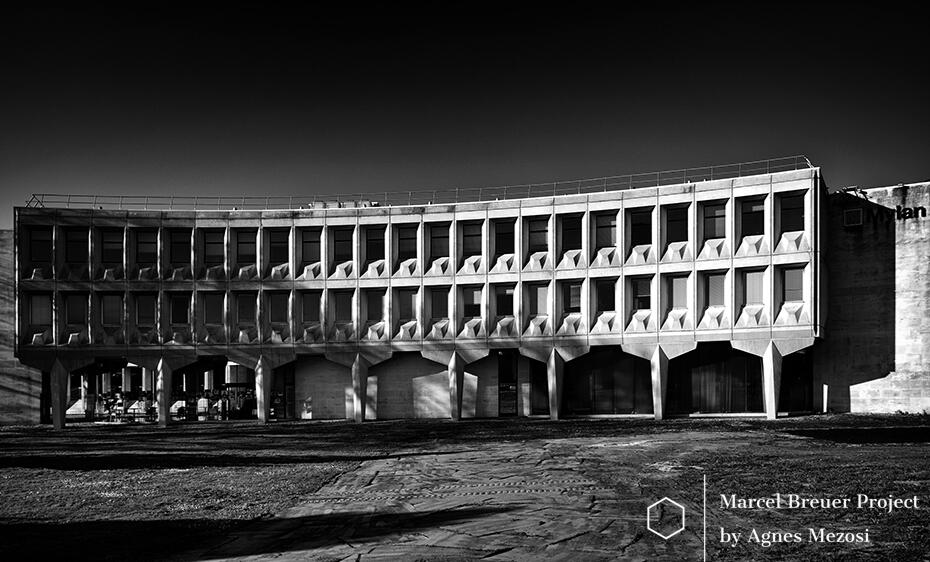
Sarget-Ambrine Headquarters

ZUP

Lehmann College - Shuster Hall

Lehmann College - Fine Art Building

Doldertals

Early works, furnitures and collaborations
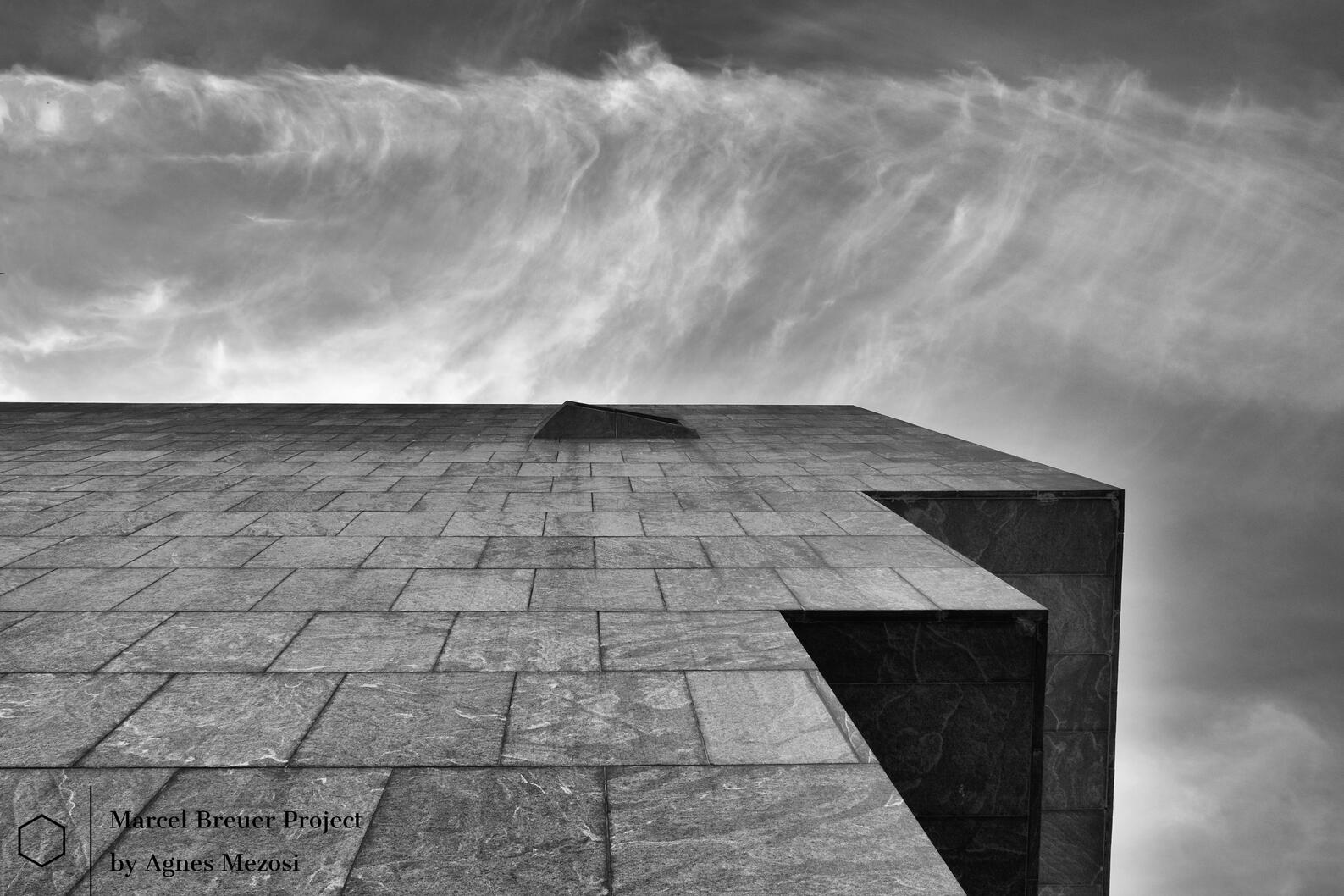
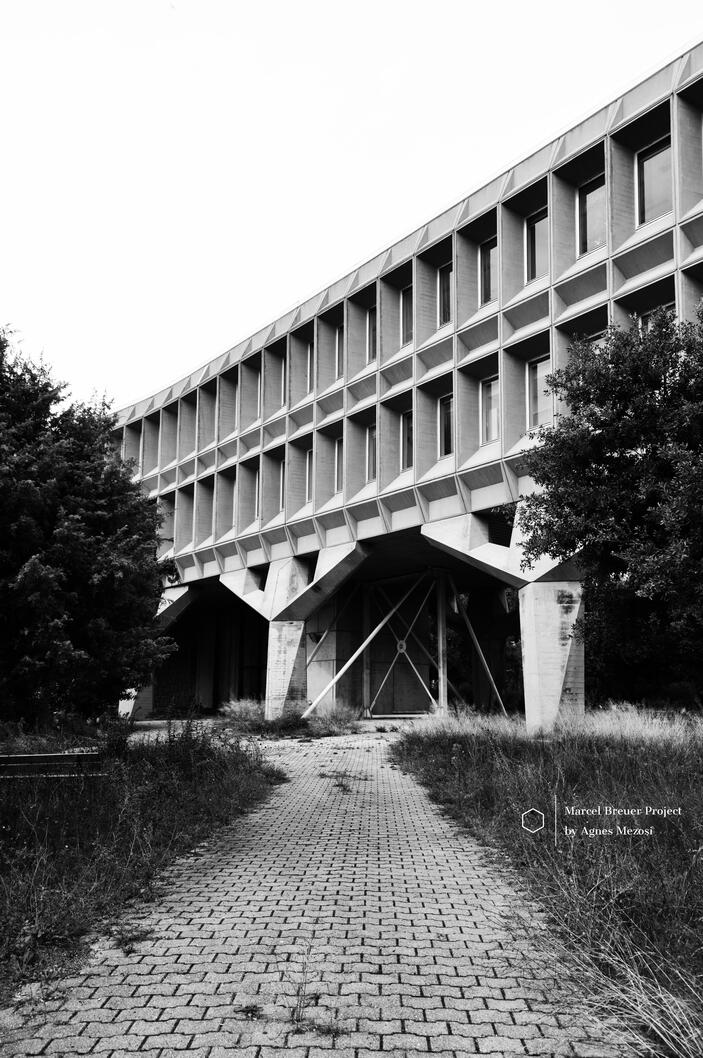
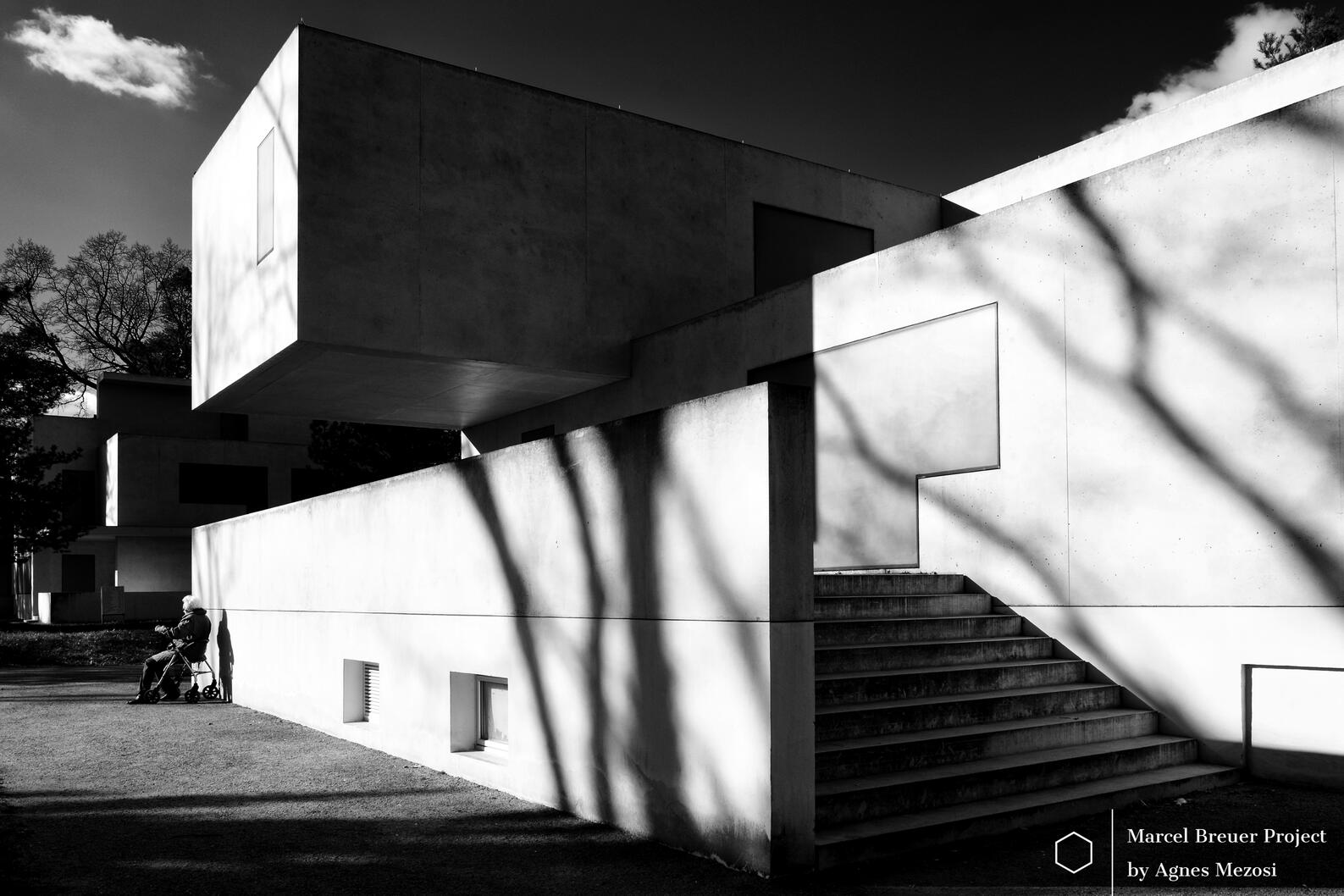
Whitney Museum, New York, USA
Marcel Breuer and Hamilton Smith
A great encounter.


IBM Research Center, La Gaude, France
Marcel Breuer and Herbert Beckhard
concrete meets landscape


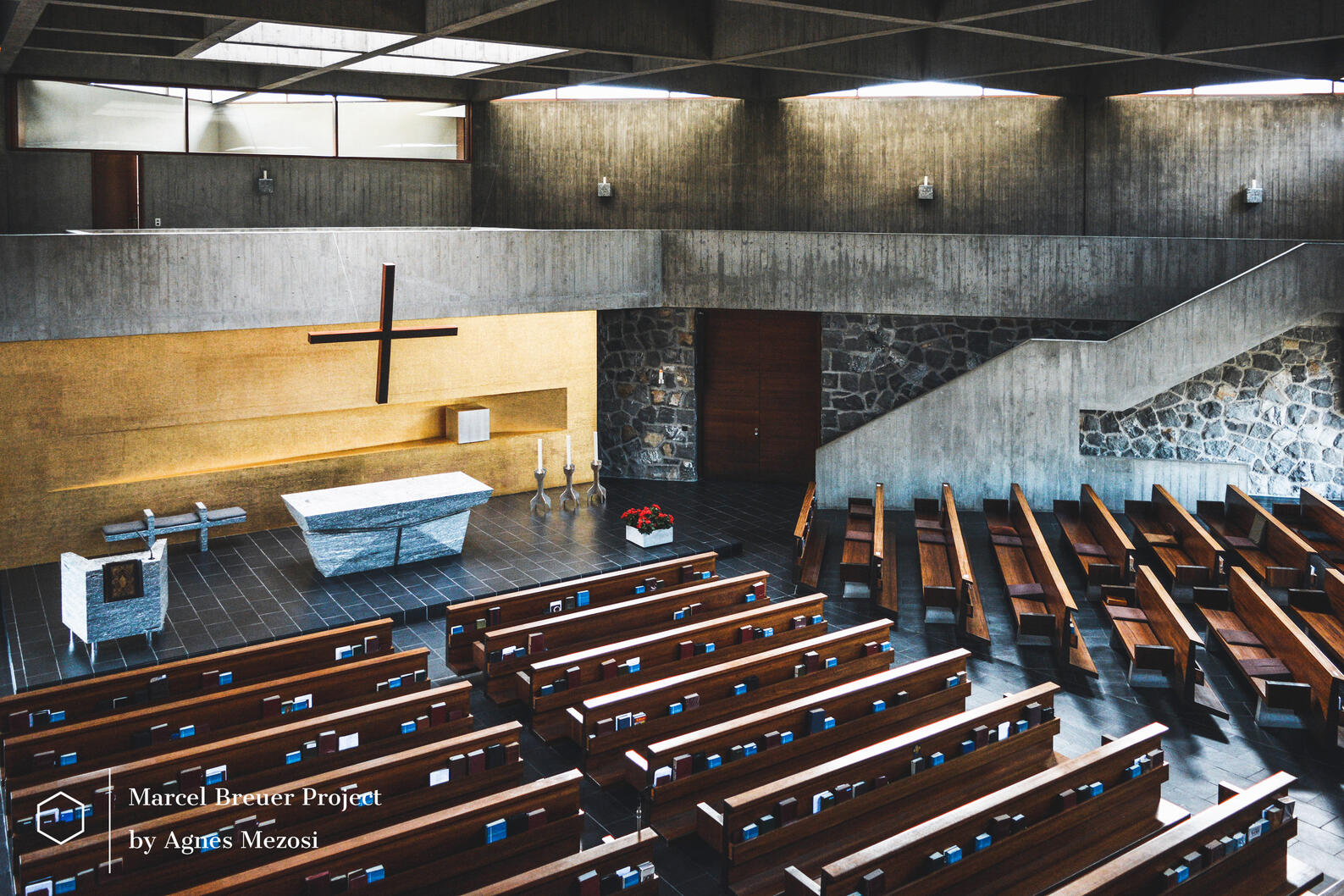
Baldegg Kloster, Baldegg, Switzerland
Marcel Breuer and Beat Jordi
a spiritual monolith


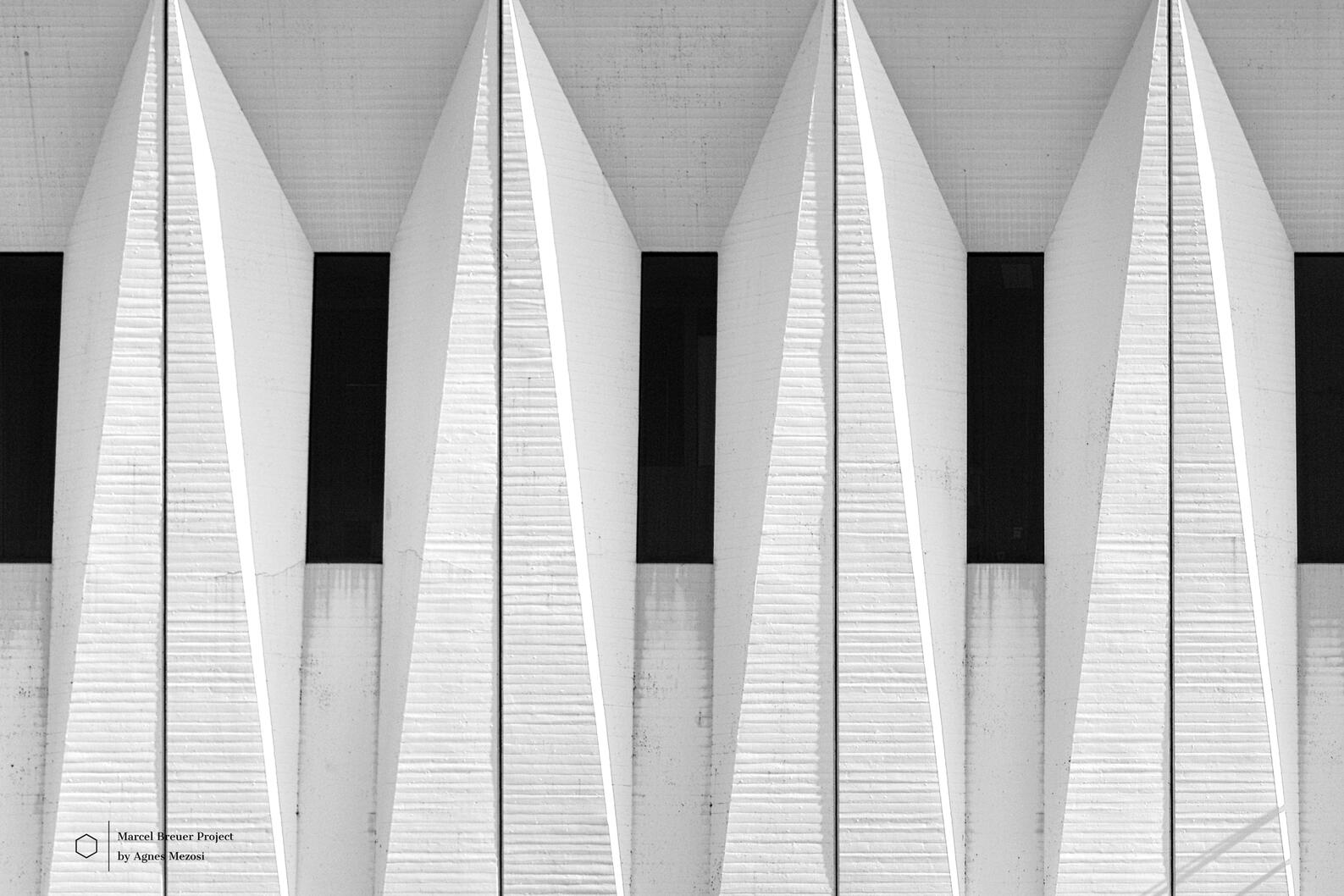
mundipharma Headquarters, Limburg, germany
Marcel Breuer and Robert F. Gatje
Geometric rigor


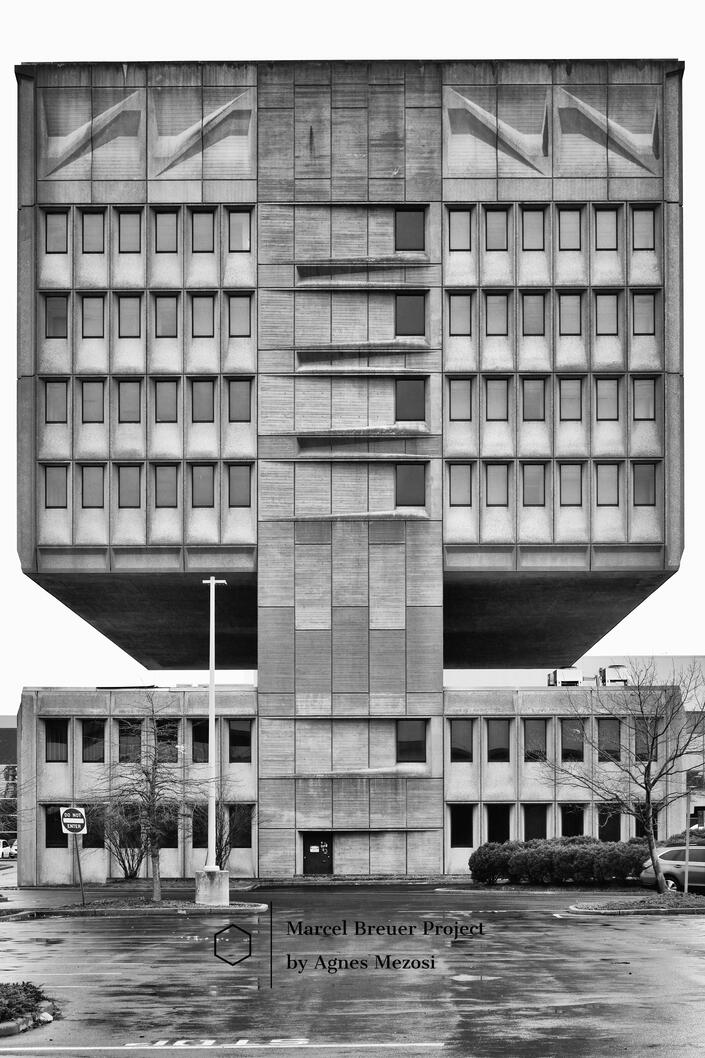
Armstrong rubber Building, New haven, usa
Marcel Breuer and Robert F. Gatje
STRUCTURAL SUSPENSION


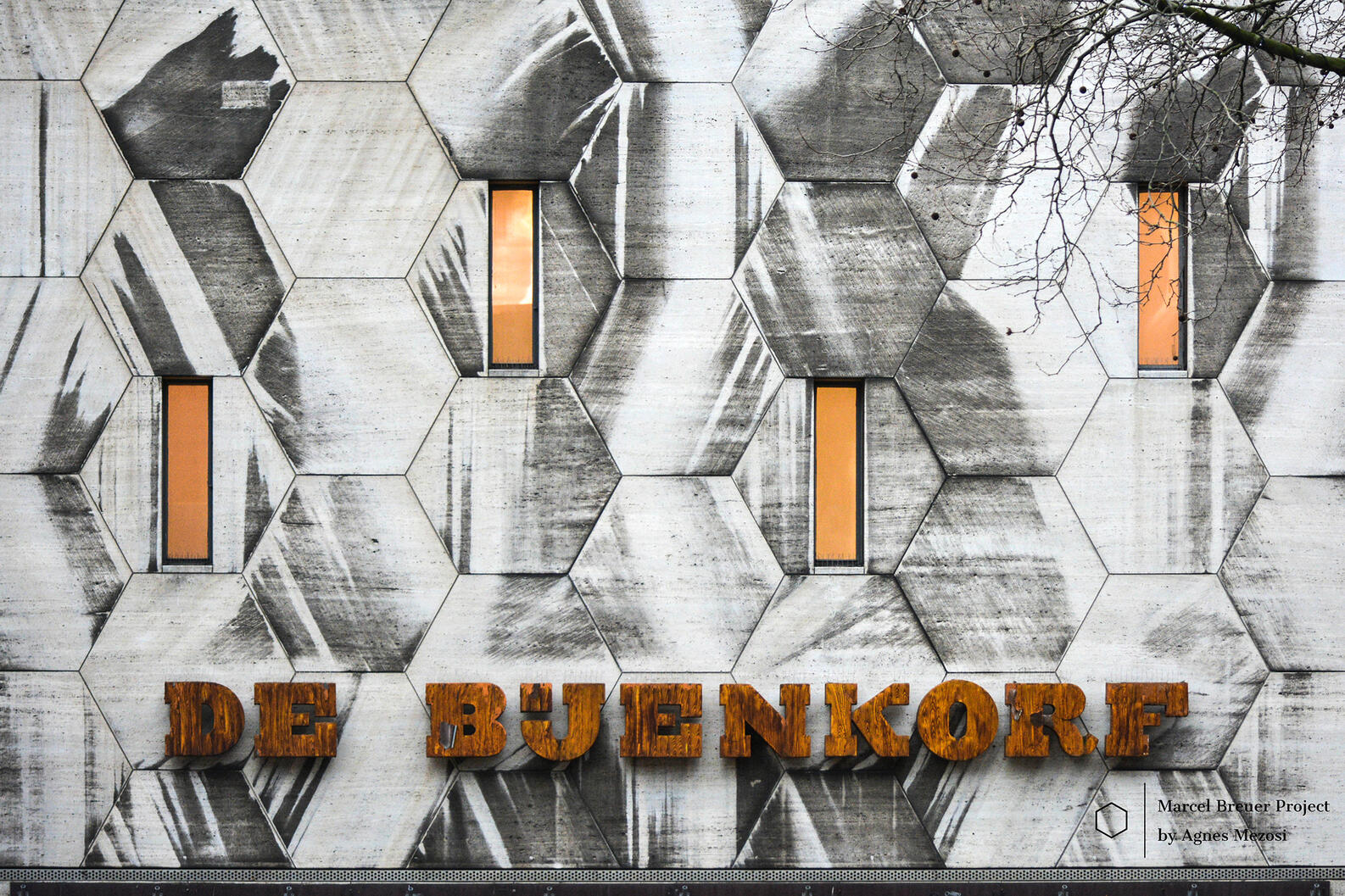
de bijenkorf, Rotterdam, The netherland
Marcel Breuer and Abraham Elza
THE HONEYCOMB FACADE


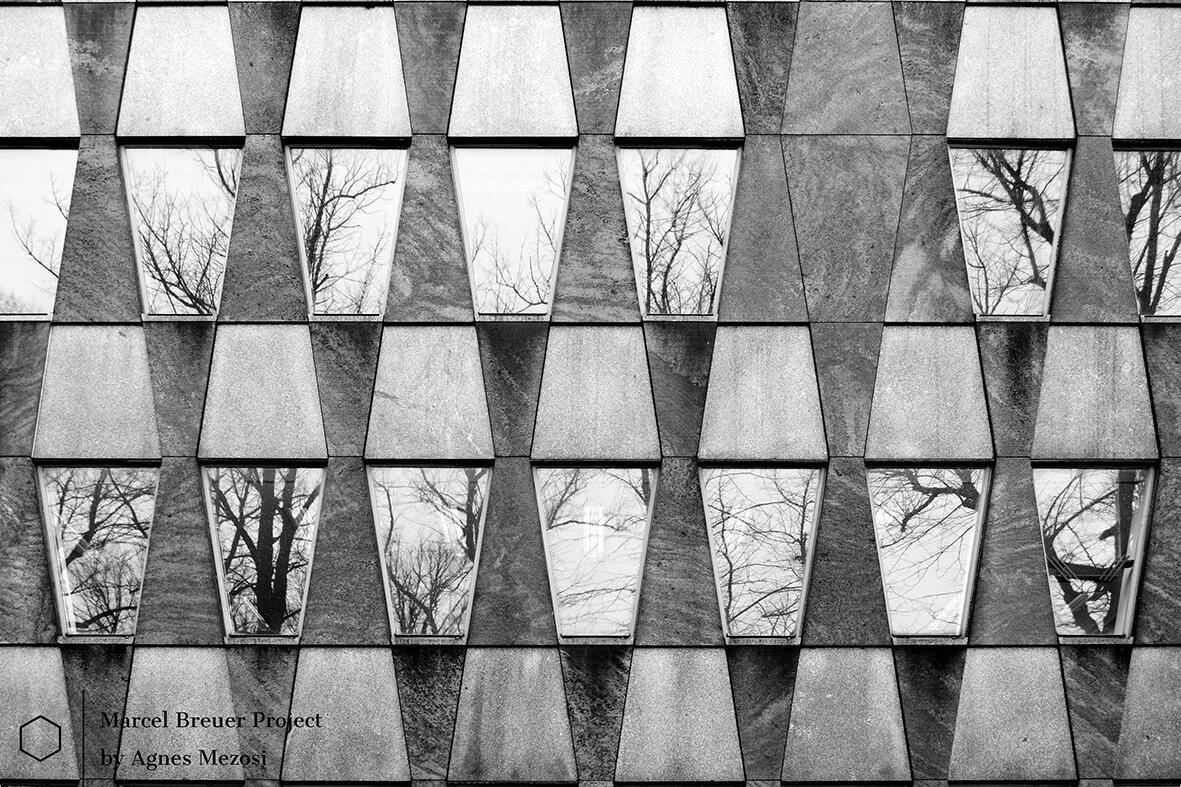
former u.s. embassy, the hague, the netherland
Marcel Breuer and Peter Morton
THE TRAPEZOIDAL RHYTHM


unesco, paris, france
Marcel Breuer, Pier Luigi Nervi and Bernard Zehrfussn
THE Y-SHAPED MONUMENT


Van leer building, Amstelveen, The Netherland
Marcel Breuer and H. Hoogveen
Industrial Transparency


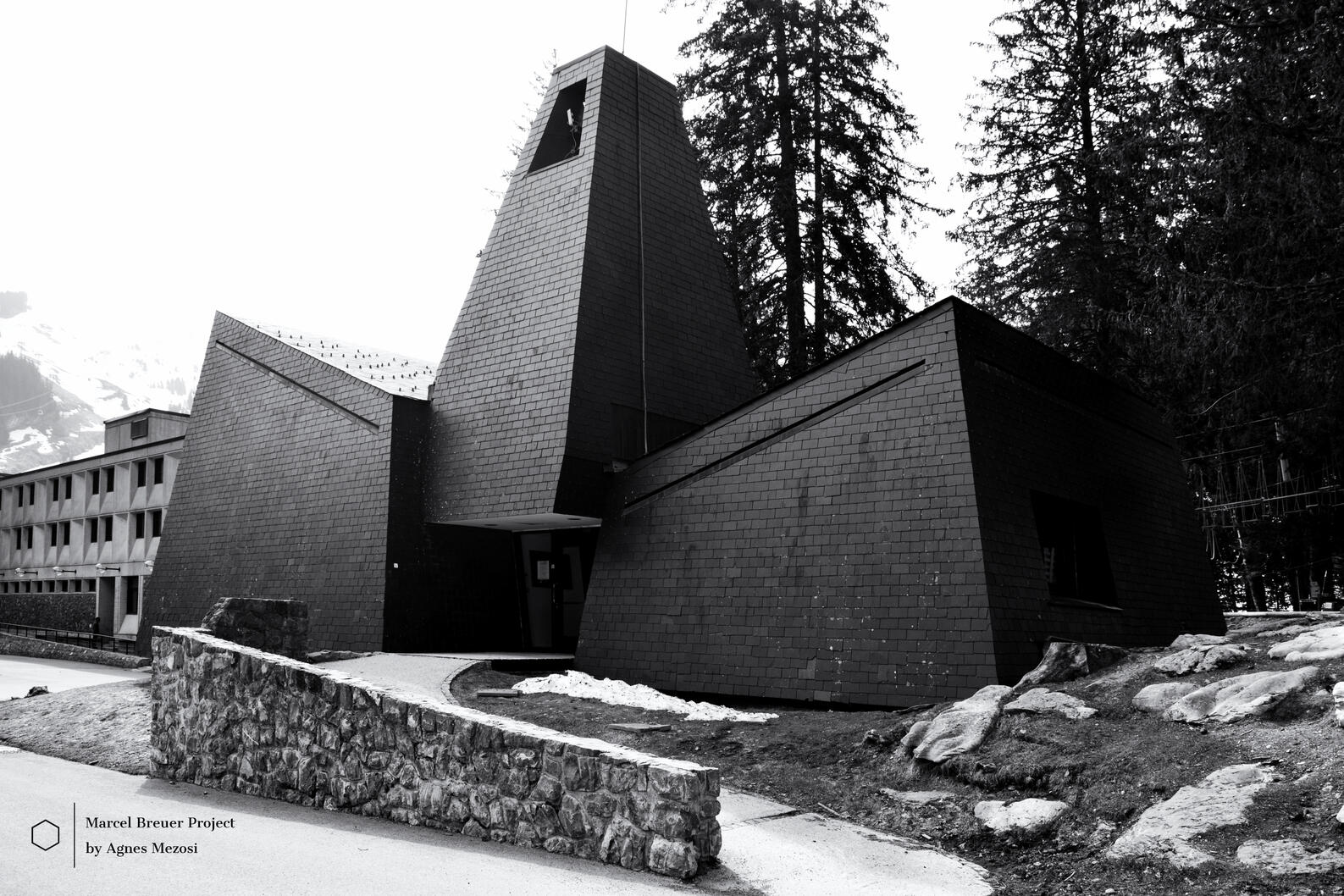
Flaine, France
Marcel Breuer, Gerard Chervaz, Laurent Chappis
A brutalist masterpiece in the French Alps


Sarget-Ambrine Headquarters, Mérignac, France
Marcel Breuer and Robert F. Gatje
A rhythmic concrete composition near Bordeaux


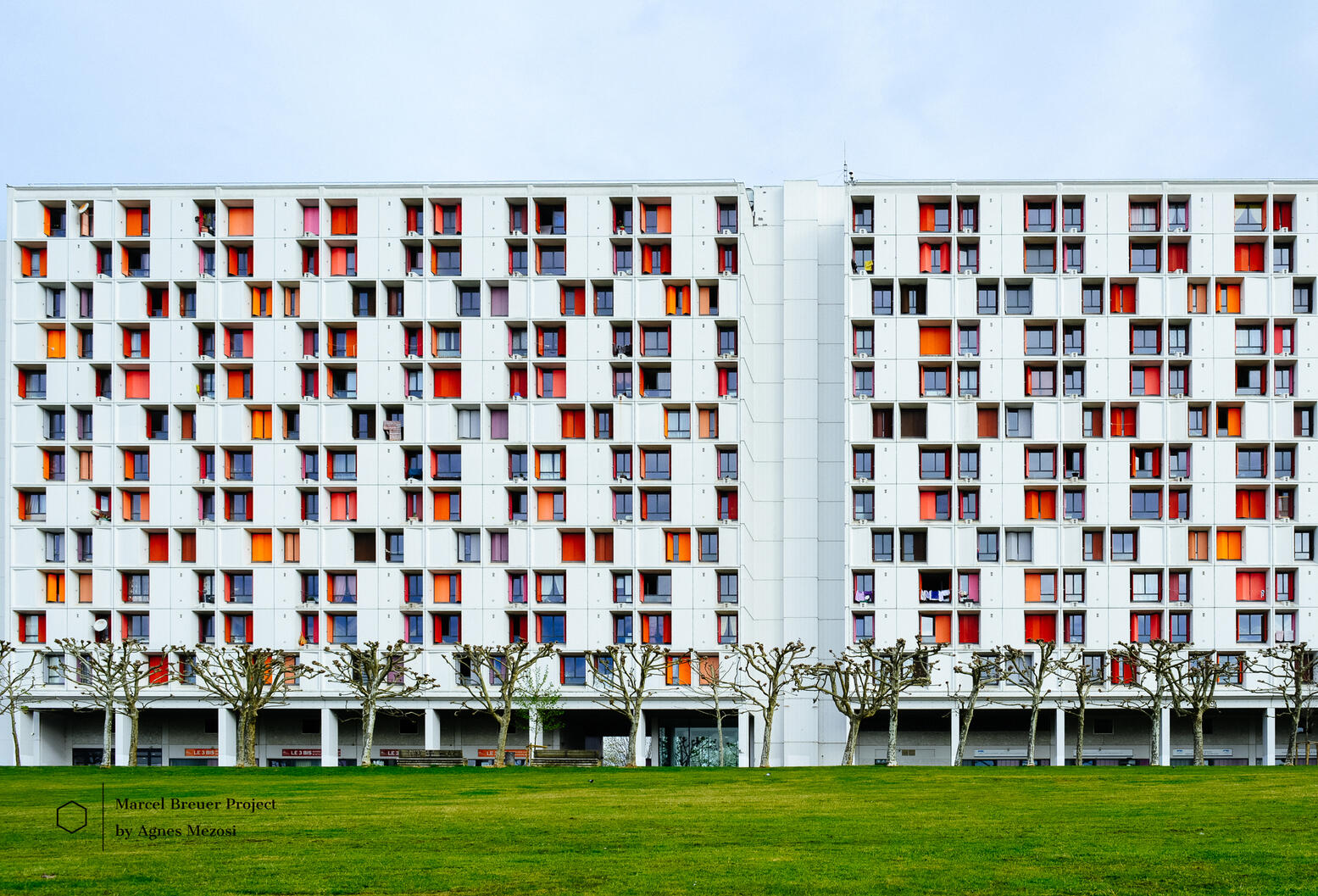
ZUP, Bayonne, France
Marcel Breuer and Robert F. Gatje
Rhythmic play with colors


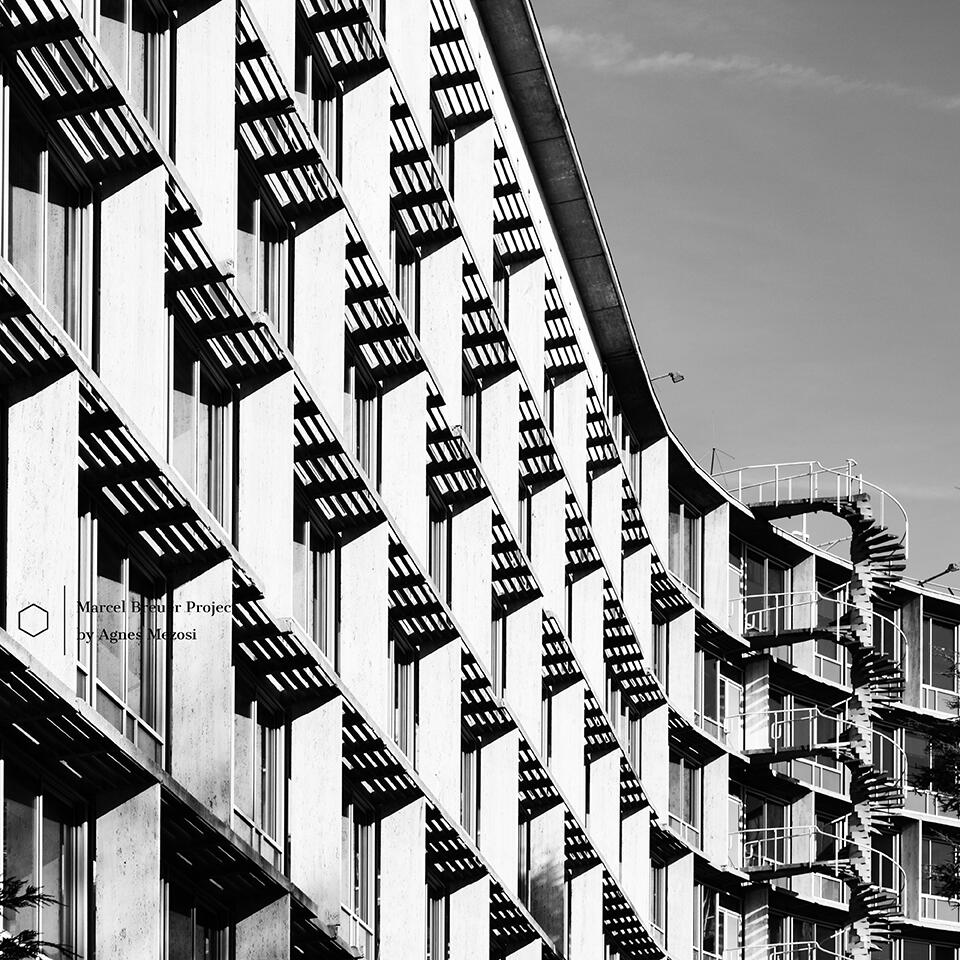
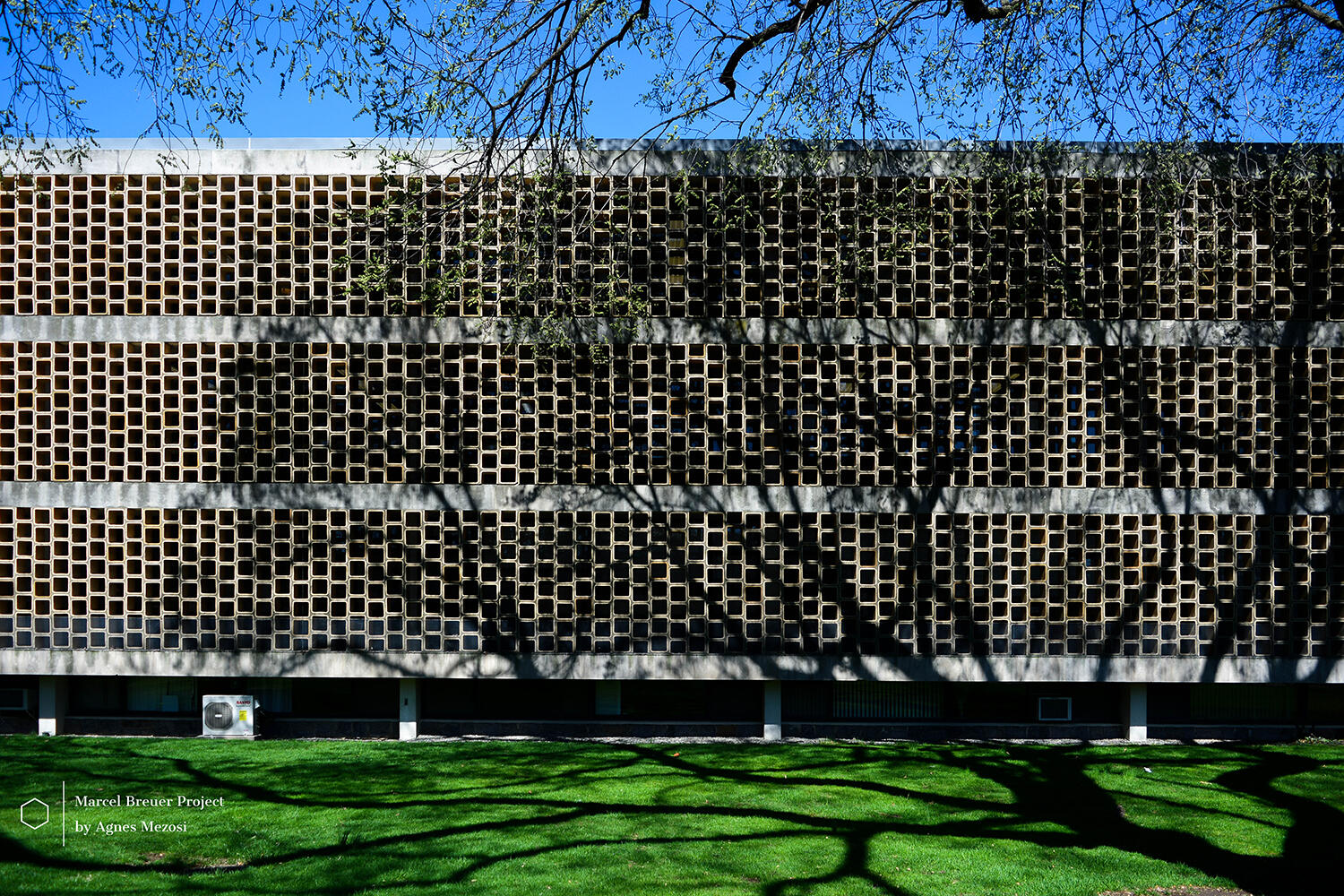
Lehmann College, Shuster Hall, Nyc, usa
Marcel Breuer, Robert F. Gatje and Eduardo Catalano
The intricate geometry of the sun-screen


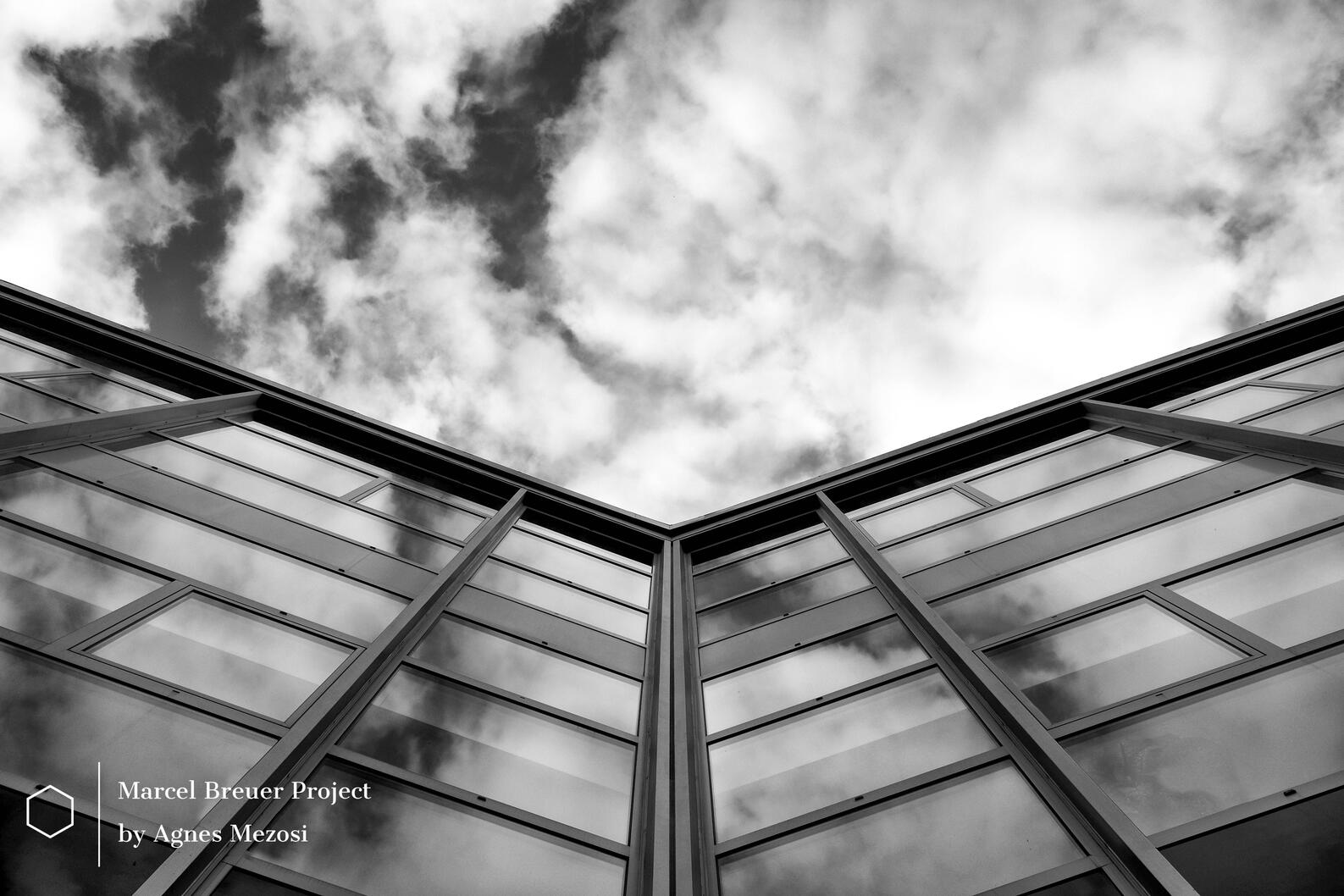
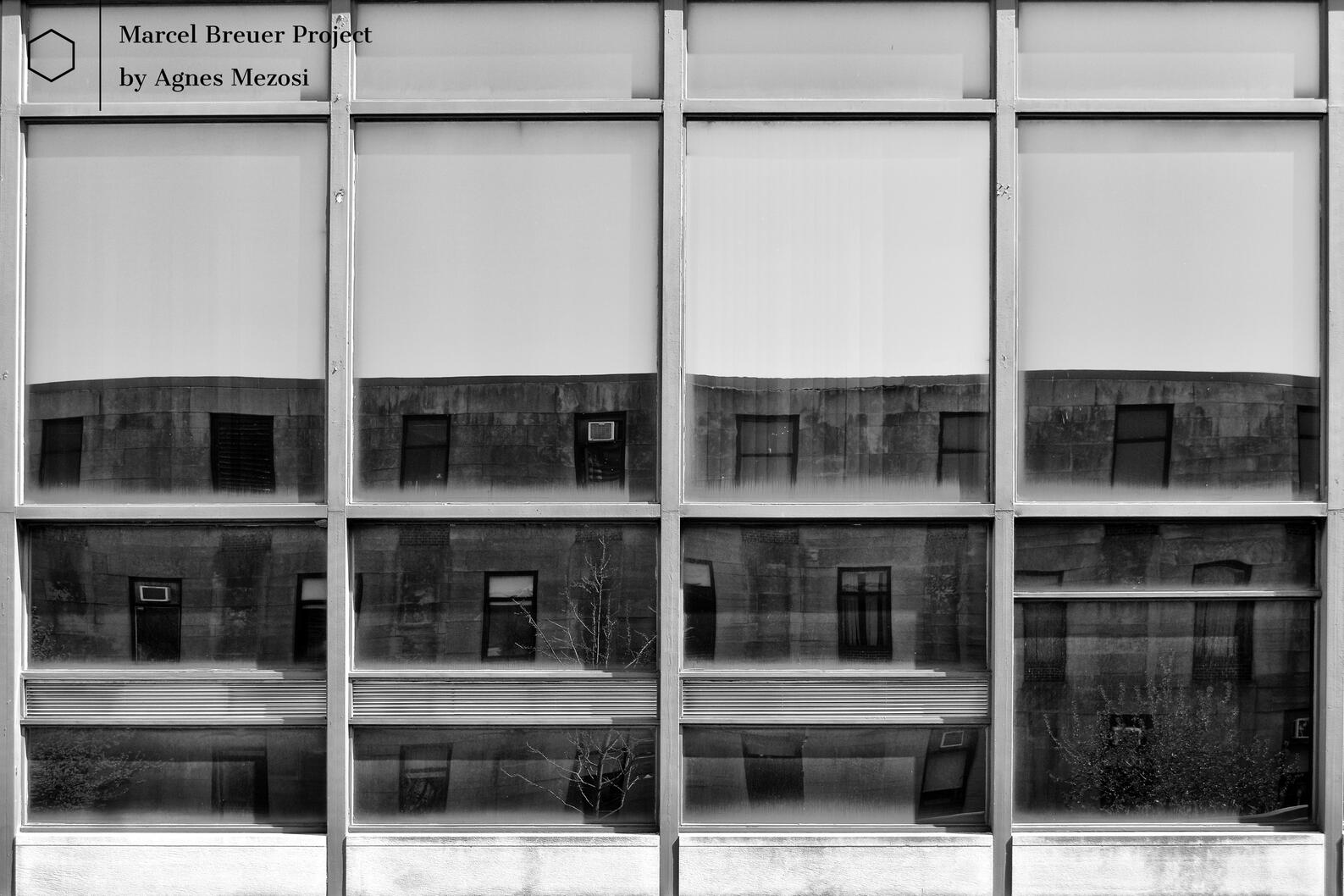
Lehmann College, Fine Art Building, Nyc, usa
Marcel Breuer, Robert F. Gatje and Eduardo Catalano
A symphony of glass and reflections


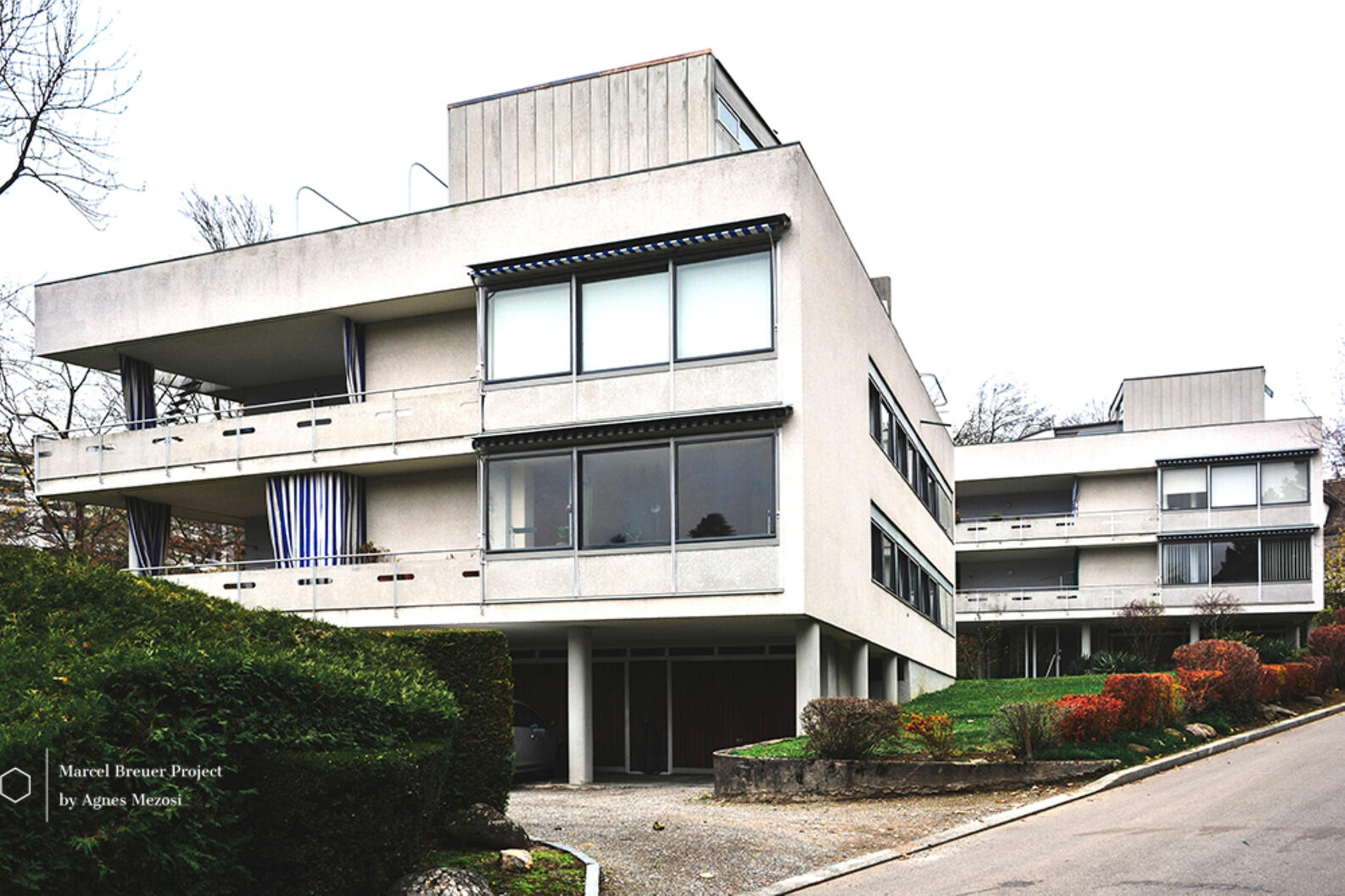
Doldertal Houses, Zurich, Switzerland
Marcel Breuer, Emil and Alfred Roth
Modernist lightness in the Swiss landscape


Early works, furnitures and collaboration
Modernist lightness in the Swiss landscape

My journey into photography didn’t begin with a camera, but with a transformation. I only started taking photographs following a recovery from illness an experience that fundamentally altered how I perceive the world, triggering an intuitive obsession with the underlying geometry of existence.These studies were my first steps: a way to find order and rhythm not just in architecture, but in the simplest objects. It began with the 'Coffee Cup' (2014) a discovery that the same interplay of light and shadow exists in a ceramic curve as in a monumental structure. This vision eventually led me to Marcel Breuer’s concrete masterpieces, where I found the ultimate architectural expression of the raw, essential forms I had come to see.

The beginning: White on black, 2014.


